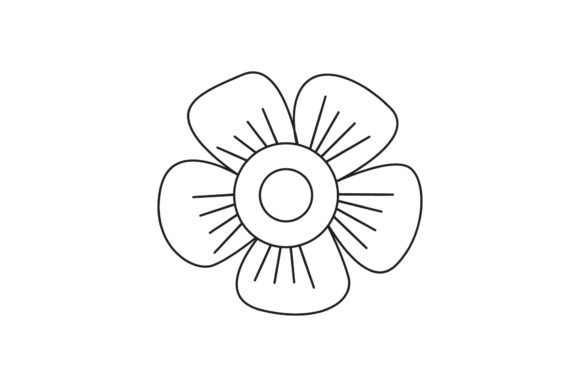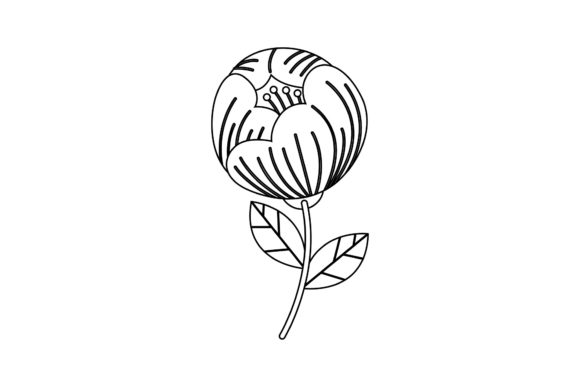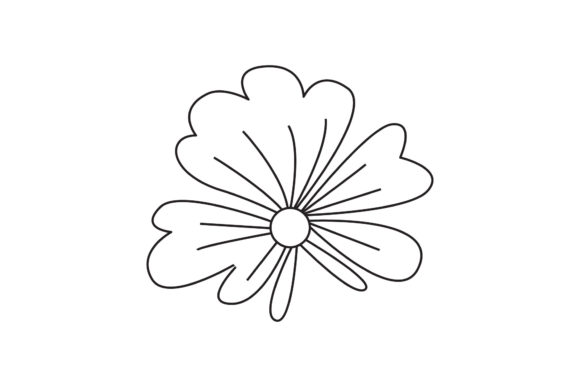
Flowers Drawing Icon Line Style Review
When I first opened the Flowers Drawing Icon Line Style vector file, my immediate reaction was one of relief. In a market saturated with overly complex, multi-layered floral motifs that often turn into a muddy mess on fabric, this design stands out for its restraint. As someone who has spent years turning digital assets into tangible, stitched products for clients and my own shop, I know that less is often more when it comes to machine embroidery. This graphic isn't just a pretty picture; it is a functional tool designed to translate cleanly from screen to stitch.
The aesthetic here is clean, modern, and effortlessly chic. The line style creates a sense of airiness that works beautifully without overwhelming the wearer or the product. It feels like something you would see in a high-end boutique or a curated Etsy shop rather than a mass-produced discount item. The simplicity allows the texture of the thread and the weave of the fabric to take center stage, which is exactly what we want in a finished product. Whether you are looking to create a subtle accent on a denim jacket or the focal point of a nursery wall hanging, this design offers a level of sophistication that elevates any handmade project.
From Digital File to Finished Product: A Real-World Scenario
To truly understand how this design performs, let's look at a practical scenario. Imagine you are preparing a custom order for a client who wants a personalized embroidered tote bag for their new bakery business. They need something that looks professional but also friendly and approachable. You decide to use the Flowers Drawing Icon Line Style as the primary logo element.
Because the design relies on continuous lines rather than heavy fill stitches, it avoids the "stiff" feel that can sometimes ruin the drape of a canvas tote. When I ran a test hooping on a sturdy cotton duck fabric, the lines remained crisp. The lack of dense stitching meant the fabric stayed flexible, which is crucial for a bag that needs to hold weight without buckling under the pressure of the embroidery. The customer received the bags, and the feedback was immediate: they loved the delicate touch. It didn't look like a cheap sticker slapped onto the bag; it looked like an integral part of the brand identity. The line art provided enough visual interest to be memorable without being so busy that it distracted from the text or other branding elements.
This same logic applies to sweatshirt embroidery. If you are decorating hoodies for a small team or a local club, a heavy floral cluster can make the garment feel bulky and uncomfortable against the skin. By choosing a design like this, you maintain the soft hand-feel of the apparel while still adding a touch of elegance. It is perfect for custom apparel where comfort is just as important as aesthetics.
Where This Design Shines in Your Craft Business
For those of us running a craft business or selling on platforms like Etsy, versatility is key. The Flowers Drawing Icon Line Style is incredibly adaptable across various product categories. It translates well to embroidered patches, where the clean lines define the shape clearly even at smaller scales. It is equally effective on kitchen towels or aprons, where a simple floral motif adds a homey yet polished vibe to the workspace.
I have also seen great success using this style for holiday embroidery. Because the lines are open, you can easily integrate seasonal colors without the design feeling cluttered. Imagine a set of white tea towels stitched with these flowers in a deep burgundy thread for autumn, or bright pastels for spring. The design acts as a perfect canvas for your color choices, allowing you to match your brand palette or the season's trends effortlessly. For baby embroidery, such as on onesies or burp cloths, the gentle curves of the flowers are soothing to the eye and safe for sensitive skin since there are no thick, raised areas to cause irritation.
Furthermore, if you sell digital embroidery files or create printable mockups for your listings, this design is a goldmine. Its scalability means you can resize it from a tiny pocket detail to a large back-of-jacket statement piece without losing definition. This makes it a valuable asset for commercial embroidery projects where consistency across different sizes is required.
Navigating Potential Pitfalls
While this design is excellent, every experienced designer knows that nothing is without its challenges. There are specific situations where you need to exercise caution. If you are working with very small hoop sizes, the fine lines might become difficult to stitch out perfectly. On extremely textured fabrics, like a rough burlap or a thick fleece, the precision of the line style might get lost in the weave. Similarly, on thin or stretchy fabrics, the tension required to pull the threads tight could distort the delicate geometry of the flowers.
Dark fabrics present another consideration. While the design itself is versatile, the contrast is everything. Without a proper underlay or a contrasting thread color, the lines might disappear into the background. Always test your thread colors against the fabric before committing to a full production run. Additionally, if you are planning to wash the items frequently, ensure that your stabilizer choice is robust enough to support the design, especially if the fabric stretches during wear. Curved surfaces, like caps, require careful digitizing adjustments to ensure the lines follow the curvature naturally rather than appearing warped.
Practical Notes for the Embroidery Designer
Before you rush to upload this to your machine, there are a few technical steps you should take to ensure success. First and foremost, always test the design on scrap fabric. This is non-negotiable. Check the stitch density to see if the lines are too close together, which could cause puckering, or too far apart, which might leave gaps in the imagery. Inspect the small details closely; sometimes, what looks perfect on a monitor can get lost when rendered in thread.
If you are unsure about the file specifications, review the machine compatibility and recommended hoop size provided by the creator. Since this is listed under Freebies and categorized as a Graphics asset, you may need to convert the vector file into a format your machine recognizes, such as .dst or .pes. Ensure you have the right software to edit the design if necessary. Also, confirm whether the license allows for commercial use if you intend to sell the finished items. Many free resources come with restrictions that prevent resale.
Don't forget to check the contrast in black and white mockups. Sometimes a design looks vibrant in color but lacks the necessary value difference to stand out in monochrome. This is particularly important for creating clear digital product previews for your online store. Using a proper stabilizer is also critical; for line-style designs, a cut-away stabilizer often provides the best support for maintaining the shape over time.
In conclusion, the Flowers Drawing Icon Line Style is a standout addition to any designer's toolkit. It balances visual appeal with practical stitchability, making it ideal for everything from personalized gifts to high-volume small shop products. By understanding its strengths and respecting its limitations, you can create finished products that not only look professional but also build trust and engagement with your customers. Whether you are a seasoned pro or just starting your journey in handmade product creation, this design offers a reliable way to add a touch of floral elegance to your work.