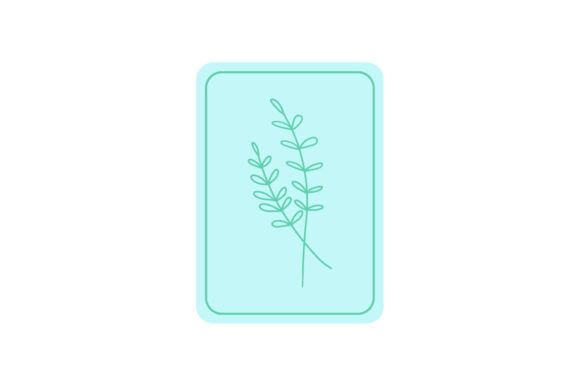
Blue Flowers Icon: A Designer's Take on Real-World Embroidery
As someone who has spent years reviewing embroidery files and testing them on everything from delicate baby onesies to heavy-duty work aprons, I approach every new download with a mix of excitement and skepticism. When I first opened the Blue Flowers Icon, my initial reaction wasn't about the file size or the format; it was about the mood. There is something inherently calming yet vibrant about a well-executed blue floral motif. It feels fresh, suitable for spring collections, boutique branding, or that special personalized gift you want to make without looking mass-produced.
This isn't just another generic vector clip art. The description highlights that these are vector files which means they are openable, editable, and resizable without losing quality. For an embroiderer, this is a game-changer. Before we even touch the machine, knowing that we can tweak the shape to fit a specific hoop or adjust the color palette to match a client's brand makes this design asset incredibly practical. But does it hold up when the needle hits the fabric? Let's walk through how I would use this in a real project.
From Screen to Stitch: Visualizing the Project
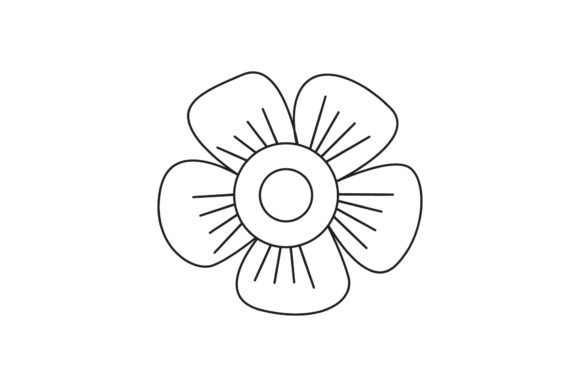
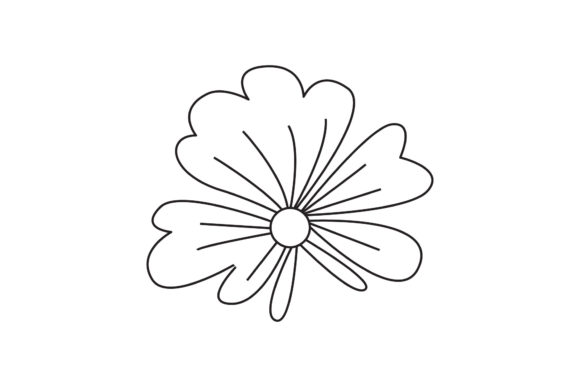
Imagine you are preparing a custom embroidered tote bag for a local craft fair. You need something that screams "handmade" but looks professional enough to justify a higher price point. This is where the Blue Flowers Icon shines. The layout appears balanced, suggesting it could work beautifully as a central focal point on a canvas tote or perhaps as a repeating pattern along the hem of a kitchen towel.
In a real-life scenario, I might be designing a set of matching items for a small shop owner—perhaps a sweatshirt, a cap, and a pillow cover. The versatility of the vector format allows me to scale the icon down for a hat patch and up for a large wall hanging. The clean lines suggest that the design will translate well into a satin stitch finish, which is essential for giving the flowers a smooth, polished look that customers expect. If the design were too jagged or complex, it might get lost in the texture of a thick cotton sweatshirt, but the icon seems to have enough negative space to breathe, ensuring the details don't blur together during stitching.
The visual appeal of the blue tones is particularly strong against neutral backgrounds. Whether you are using white, cream, or light gray fabric, the contrast ensures the embroidery pops. However, if you plan to put this on a dark navy shirt, you would need to carefully select your thread colors to ensure the blues stand out rather than getting swallowed by the background. This kind of visual judgment is what separates a hobbyist from a professional designer.
Where This Design Fits Best
I see the Blue Flowers Icon finding its natural home in several specific categories of handmade products. It is perfect for nursery decor, where soft blues and floral themes are timeless. Imagine a baby blanket or a onesie with this stitched gently in the corner; it adds a touch of elegance without being overwhelming. It also works exceptionally well for holiday gifts, serving as a charming accent on a tea towel or a decorative pillow cover.
For Etsy sellers and small business owners, this design offers a solid foundation for creating cohesive product lines. You could create a series of branded merchandise, like aprons for a bakery or tote bags for a book club, all featuring variations of this icon. The ability to edit the vector file means you can add text or combine it with other elements to create unique custom apparel designs that stand out in a crowded marketplace.
Navigating the Technical Challenges
While the potential is high, no design is without its challenges. As an experienced reviewer, I must point out where you should exercise caution. The first thing to consider is the hoop size. If you attempt to stitch this on a very small surface, like a narrow cuff or a tiny pocket, the details might become muddy. Complex curves in floral designs often struggle when compressed into a tight area, leading to puckering or lost definition.
Fabric choice is equally critical. Textured fabrics, such as heavy tweed or loose-weave linen, can sometimes distort the precision of a vector-based design. Similarly, stretchy fabrics like jersey knits require careful stabilizer usage. If the stabilizer isn't adequate, the tension of the stitches could pull the fabric, warping the flower shapes and ruining the symmetry of the Blue Flowers Icon. Thin fabrics present their own risks; dense stitch areas might show through to the back or cause the fabric to pucker significantly.
Another area to watch is the density of the stitches. If the original file includes a lot of fill stitches close together, it might create a stiff, board-like feel on the finished product. This is not ideal for items that need to remain soft and comfortable, like baby clothes or sleepwear. Always check the stitch density before committing to a production run. If the design feels too heavy, you may need to reduce the density in your digitizing software to achieve a more wearable result.
Practical Notes for the Embroidery Designer
Before you start stitching, there are several steps I always recommend taking to ensure success. First, test the design on scrap fabric that matches the texture and weight of your final material. This simple step can save you from ruining expensive inventory. Second, review the thread colors carefully. Since the design is vector-based, you have the freedom to change the colors, but you must ensure there is enough contrast between the thread and the fabric.
It is also wise to inspect small details closely. Sometimes, fine lines in a vector file can disappear when converted to embroidery stitches. Running the design through a black-and-white mockup can help you visualize how the different shades will interact once stitched. Additionally, confirm whether the design works for both personal and commercial projects. Even though this is listed under Freebies and Graphics, licensing terms can vary. If you plan to sell the finished product, double-check the license to ensure you are allowed to do so.
Finally, pay attention to the stabilizer. Using the wrong type can lead to poor registration or fabric distortion. For this type of floral design, a cut-away stabilizer is often best for stability, especially on garments that will be washed frequently. If you are creating an embroidered patch, you will need to ensure the edges are finished correctly to prevent fraying.
Final Thoughts on Value and Trust
In the world of digital design assets, finding something that balances aesthetic appeal with technical functionality is rare. The Blue Flowers Icon delivers on both fronts. It creates a sense of professionalism and trust in your finished product. Customers notice the difference between a sloppy, poorly executed stitch job and one that respects the integrity of the design. By using a clean, editable vector source, you are setting yourself up for success.
Whether you are a seasoned pro looking to expand your catalog or a hobbyist wanting to create a meaningful personalized gift, this design offers a versatile starting point. It fits seamlessly into the workflow of modern embroidery, allowing for creativity without compromising on quality. Just remember to respect the technical limitations of the medium, test thoroughly, and choose your materials wisely. With the right approach, the Blue Flowers Icon can transform a simple piece of fabric into a cherished keepsake or a profitable product for your small shop.