Flowers Art Vector Illustration: A Designer's Real-World Embroidery Review
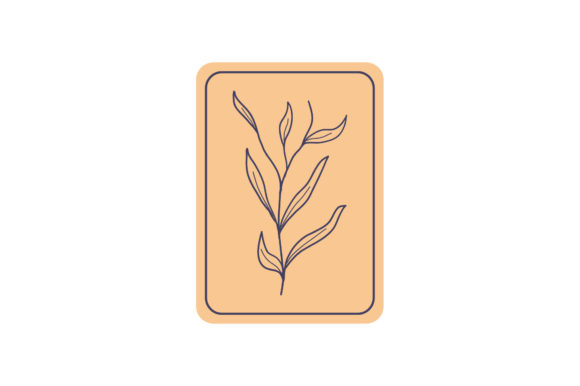
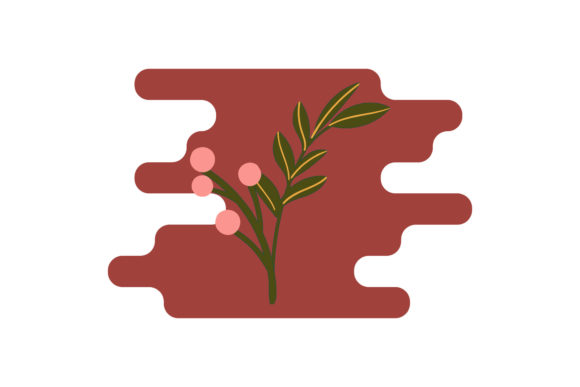
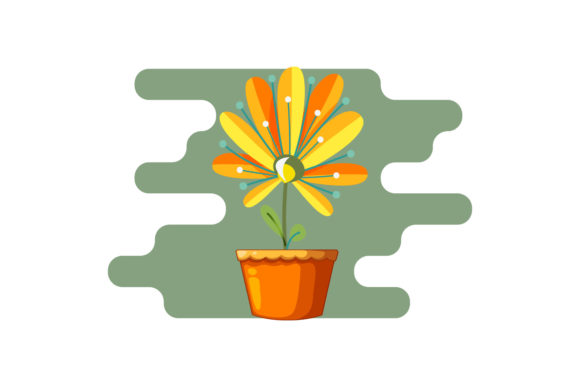
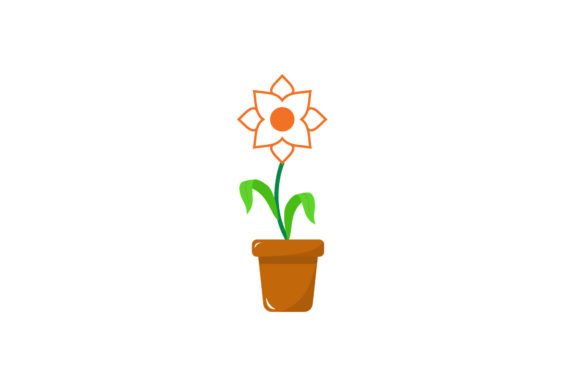
When I first opened the Flowers Art Vector Illustration, my initial reaction wasn't about the technical specs or the file format. It was about the mood. As a designer who spends hours stitching, testing fabrics, and talking to clients about their vision, I look for that immediate spark of potential. This design doesn't just sit there; it feels alive with movement. The lines are fluid, suggesting petals that have just caught a breeze, creating a soft yet confident visual personality that works beautifully in both delicate nursery settings and bold boutique branding.
The vector nature of this illustrations package is a massive advantage for embroidery designers. Unlike raster images that pixelate when stretched, this Graphics asset allows me to resize the composition without losing any integrity. Whether I am shrinking it down for a baby onesie or expanding it for a large tote bag, the curves remain smooth. This flexibility is crucial when adapting a single design for multiple product lines, saving me valuable time during the digitizing phase.
From Screen to Stitch: A Real Project Scenario
Last week, a local boutique owner approached me with a specific request: she needed a custom embroidered patch for her new line of organic kitchen aprons. She wanted something floral but not overly busy, suitable for frequent washing and high visibility. I immediately thought of the Flowers Art Vector Illustration. The layout was perfect because it had a natural focal point that wouldn't get lost on the textured fabric of a canvas apron.
I took the vector file into my digitizing software to prepare it as a machine embroidery design. My goal was to create a finished product that felt handcrafted and premium. The challenge with floral designs is often managing the density of the stitches so they don't pucker the fabric. Because the original illustration is clean and editable, I could adjust the stitch direction to follow the flow of the petals, ensuring the satin stitch would lay flat against the weave of the cotton.
Once stitched onto the apron, the result was impressive. The embroidery project transformed from a simple piece of clothing into a statement piece. Customers at the craft fair stopped to touch the texture, noting how the thread colors popped against the neutral background. It wasn't just a logo; it was an artistic element that added value to the handmade product. This is exactly why I recommend evaluating designs based on how they perform in real-life scenarios rather than just looking at them on a screen.
Where This Design Shines in Your Craft Business
The versatility of the Flowers Art Vector Illustration makes it a strong candidate for a wide range of commercial embroidery projects. For Etsy sellers and small shop owners, having a design that can be adapted quickly is a competitive edge. Here are a few areas where this design naturally excels:
- Custom Apparel and Sweatshirts: The open spacing in the vector art allows for excellent breathability in the stitch pattern, preventing the heavy feel often associated with dense fill stitches on sweatshirt material.
- Baby Embroidery: Soft floral themes are timeless for baby clothes. The clean lines ensure that even when stitched on thin, stretchy knit fabrics, the design remains crisp without distorting the garment.
- Tote Bag Designs: Large scale versions work perfectly on canvas totes, offering a sophisticated alternative to screen-printed graphics that might crack over time.
- Holiday Embroidery: Imagine this design on a tea towel or a pillow cover for a spring gathering. The aesthetic fits seamlessly into seasonal decor, making it a great addition to gift collections.
- Embroidered Patches: With proper backing, the clean edges make it ideal for iron-on or sew-on patches for jackets and caps.
For digital product sellers, this file serves as a fantastic design asset. You can create printable mockups showing the design on various backgrounds, giving your customers a clear idea of the final look before they purchase the physical item. It adds a layer of professionalism to your Etsy listings and helps build trust with buyers who want to see quality in action.
Practical Considerations and Where to Be Cautious
While the Flowers Art Vector Illustration is robust, no design is universally perfect for every situation. As an experienced reviewer, I need to highlight where you should exercise caution to avoid costly mistakes. First, consider the hoop size. If you are working with a very small hoop, such as one used for socks or tiny accessories, the intricate details of the flowers might become muddy. In these cases, simplifying the digitization or reducing the detail level is necessary to maintain clarity.
Texture plays a huge role in the final appearance. On highly textured fabrics like bouclé or rough linen, fine lines may disappear into the weave. Similarly, on stretchy knits, you must use the correct stabilizer to prevent puckering. If you plan to embroider this on dark fabric, pay close attention to the thread color contrast. A light-colored flower on a black shirt requires a solid underlay to ensure the colors pop, whereas the same design on white fabric might require fewer layers.
Dense stitch areas can also be a concern. If the original vector has too many overlapping elements, the resulting stitch density might be too thick for lightweight materials. Always inspect the small details and decorative accents before committing to a full production run. Testing on scrap fabric is non-negotiable. It reveals issues with tension, thread breaks, or fabric distortion that you simply cannot predict from a computer screen.
Designer Notes for Success
To get the most out of this embroidery file, I suggest following a few practical steps before launching into a commercial project. Start by reviewing the stitch density in your digitizing software. Ensure that the satin stitch columns are aligned correctly with the grain of the fabric to avoid snagging. Check whether the design works for both personal and commercial projects by confirming the licensing terms provided with the purchase. Selling finished items made from this design requires explicit permission, so always verify the commercial embroidery rights.
Another critical step is to test the design in black and white mockups. This removes the distraction of color and lets you evaluate the shape and balance of the running stitch and fill areas. Compare how the design looks on light versus dark fabric backgrounds to ensure consistency across your product line. Using the proper stabilizer is also key; a tear-away stabilizer might work for a stable cotton tote, while a cut-away might be better for a stretchy cap to ensure longevity after washing.
Finally, think about the customer experience. A well-executed embroidery project builds brand consistency and enhances giftability. When a buyer receives a personalized gift with a flawlessly stitched floral motif, they perceive higher value and are more likely to return. The Flowers Art Vector Illustration provides the foundation for that professional presentation, but it is your attention to detail in the digitizing and stitching process that seals the deal.
In conclusion, this vector illustration is a versatile tool for any creative entrepreneur looking to elevate their craft business. It offers the freedom to experiment with different products while maintaining a cohesive aesthetic. By taking the time to test, adapt, and refine the design, you can turn a simple graphic into a standout feature of your handmade collection.