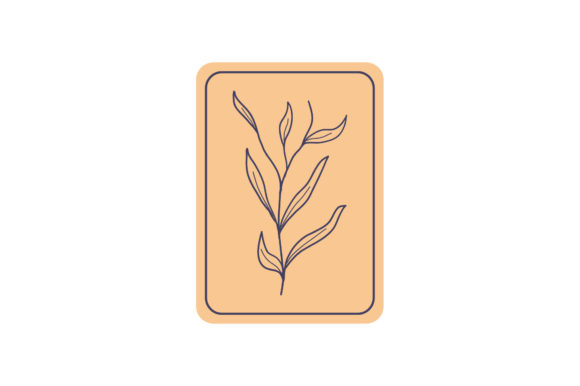
Flowers Card Beauties Vector: A Designer's Real-World Embroidery Review
When I first opened the Flowers Card Beauties Vector, my immediate thought wasn't about the file format or the vector resolution. As someone who has spent years turning digital graphics into tangible, stitched masterpieces, my brain went straight to the fabric. What does this look like on a cotton tote? How will it hold up on a baby onesie? Does it have the visual weight to stand out in a crowded Etsy shop or a busy craft fair booth?
This review isn't just about listing features; it is about judging whether Flowers Card Beauties Vector can survive the transition from screen to needle and thread. In the world of handmade goods and small business merchandise, the difference between a "nice design" and a "sellable product" often comes down to practical execution.
The First Impression: Mood and Visual Personality
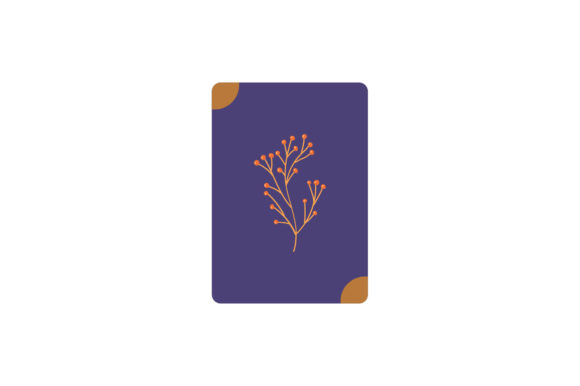
From a design perspective, Flowers Card Beauties Vector exudes a soft, welcoming energy. The floral theme is timeless, but the layout suggests a card-style composition that feels curated rather than chaotic. When you look at the shapes, there is a clear balance between open space and detail. This is crucial for embroidery because the machine needs room to breathe.
In a retail environment, visual appeal is everything. This graphic creates an instant mood of warmth and care. It screams "personalized gift" before a single stitch is placed. Whether you are targeting customers looking for nursery decor, bridal shower favors, or boutique apparel, the aesthetic fits naturally. It feels approachable, which is exactly what buyers want when they are paying a premium for handmade items. The vector nature means the lines are crisp, suggesting that once converted to a machine embroidery design, the outlines should remain clean and defined.
Real-Life Application: From Digital File to Finished Product
Let's imagine a real scenario. You are preparing inventory for a local holiday market. You decide to create a line of custom embroidered kitchen towels featuring spring motifs. You pull up Flowers Card Beauties Vector and start planning your project.
The versatility here is impressive. Because it is a vector file, resizing is effortless. You could scale it down for a pocket on a denim jacket or expand it to cover the back of a heavy sweatshirt without pixelation. However, scaling changes the stitch density requirements. If you shrink it too much, the intricate floral details might get lost in the fabric weave. If you enlarge it, you need to ensure the fill stitches don't become so dense that the fabric puckers.
I see this design thriving on specific products:
- Tote Bags: The sturdy canvas provides a perfect base for the floral elements, creating a high-end boutique look.
- Baby Items: For a baby blanket or bib, the soft curves of the flowers translate beautifully to satin stitches, offering a gentle touch against delicate skin.
- Holiday Gifts: Imagine this on a Christmas stocking or a Valentine's Day pillow cover. The card-style layout allows for easy integration of names or dates alongside the imagery.
- Commercial Merchandise: For small shops selling aprons or capes, this graphic adds a professional polish that elevates the perceived value of the item.
When used correctly, Flowers Card Beauties Vector transforms a generic blank product into a unique, branded asset. Customers notice the quality of the stitching, and that attention to detail builds trust in your brand.
Where Caution is Required: Technical Limitations
Even the best design assets require strategic placement. While Flowers Card Beauties Vector is robust, not every surface is suitable. There are specific scenarios where this design might struggle if you do not adjust your approach.
First, consider small hoop sizes. If you attempt to stitch the full vector design on a 4x4 inch area, the details will likely merge into a blob. You may need to crop the image or focus on a specific flower element rather than the entire composition. Similarly, textured fabrics like terry cloth or heavy wool can hide fine details. On these materials, running stitches might disappear, and the contrast between thread and fabric becomes critical.
Stretchy fabrics present another challenge. If you are working on a jersey knit t-shirt or a stretchy athletic wear, the stabilizer choice becomes paramount. Without proper backing, the tension of the embroidery can cause the fabric to pucker around the floral edges. Dense stitch areas within the vector design could also cause issues on thin fabrics, potentially tearing the material if the underlay is not sufficient.
Additionally, be wary of curved surfaces like baseball caps. While possible, the flat layout of a card-style vector might distort if not carefully digitized for curvature. Dark fabrics will require a top layer of cut-away stabilizer or a different thread color strategy to ensure the colors pop. If you plan to wash these items frequently, such as on work aprons or children's clothes, ensure the design doesn't rely on tiny, isolated stitches that could snag easily.
Impact on Brand Value and Customer Perception
In the handmade economy, presentation is part of the product. Using a clean, editable vector like Flowers Card Beauties Vector allows you to maintain consistency across your entire catalog. When a customer sees the same high-quality floral motif on their tote bag, their matching pillow, and their promotional postcard, it signals professionalism.
This consistency drives customer trust. Buyers are more likely to return to a shop that looks cohesive and polished. Furthermore, the ability to resize without losing quality means you can create printable mockups that accurately represent the final product. This reduces returns caused by mismatched expectations. A well-executed embroidered patch or tote bag design based on this vector can command a higher price point because the finish looks deliberate and expertly crafted.
Practical Designer Notes for Execution
Before you commit to a production run with Flowers Card Beauties Vector, follow these essential steps to ensure success:
- Test on Scrap Fabric: Never go straight to the final product. Stitch the design on a scrap piece of the same material to check how the stitch density interacts with the weave.
- Review Thread Color Contrast: Ensure the chosen thread colors provide enough contrast against your background fabric. Light threads on dark fabric (or vice versa) can make the design invisible or muddy.
- Check Hoop Size Compatibility: Verify that your intended hoop size accommodates the design dimensions comfortably. Leave a margin for the frame to avoid cutting off parts of the flowers.
- Inspect Small Details: Zoom in on the vector file to identify any tiny corners or lines that might be difficult for the machine to pick up. These may need simplification during digitization.
- Confirm Licensing: Before selling finished items or using this as a digital embroidery file for client projects, double-check the license terms. Some vectors allow personal use only, while others permit commercial sales.
- Use Proper Stabilizer: Select a stabilizer that matches the weight and drape of your fabric. A heavy cut-away might be needed for stable designs, while a tear-away works for lighter applications.
Ultimately, Flowers Card Beauties Vector is a versatile tool for any designer looking to add a touch of elegance to their craft business. It offers the flexibility needed for both custom apparel and personalized gifts, provided you respect the technical limitations of embroidery. By testing thoroughly and planning strategically, you can turn this graphic into a standout feature of your next collection.