Flowers Petal Graphic Design: A Designer's Real-World Review
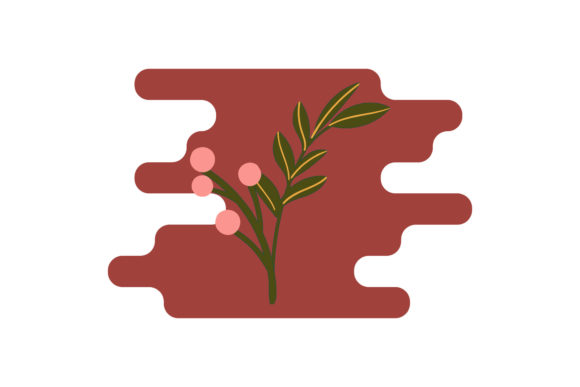
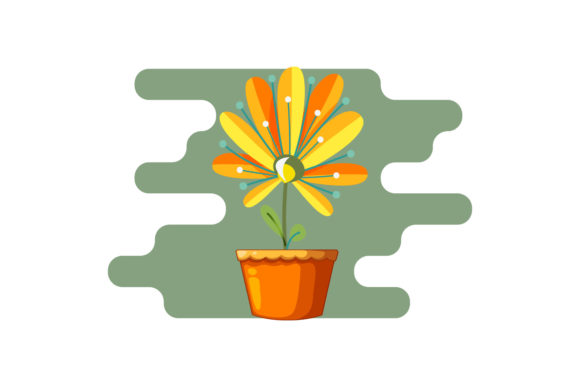
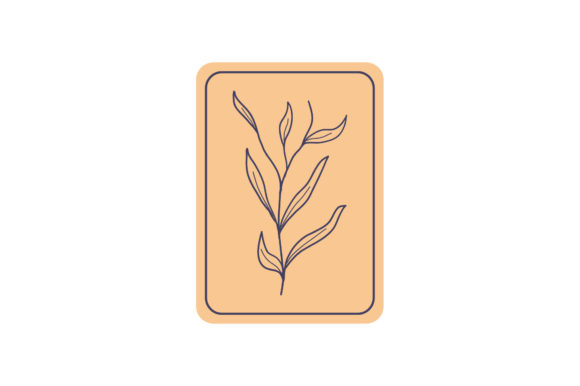
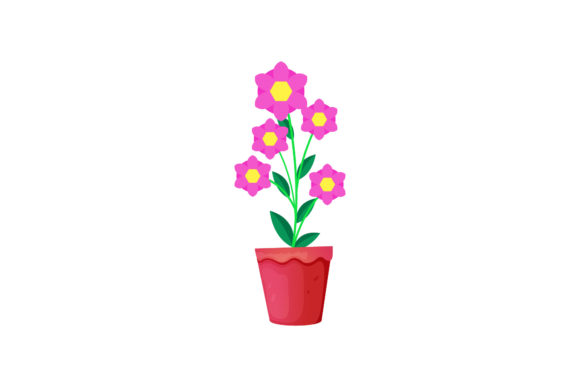
When I first opened the folder for Flowers Petal Graphic Design, my immediate thought wasn't about the file formats or the canvas resolution. As someone who has stitched thousands of designs for clients and personal projects, my eyes went straight to the visual rhythm. The layout feels organic yet structured, creating a mood that is both welcoming and sophisticated. It isn't just a collection of shapes; it carries a specific personality that suggests softness without losing definition. For an embroidery designer looking to add this to their arsenal, the first impression is one of versatility. It doesn't scream "trendy" in a way that will look dated next year, nor does it feel so generic that it lacks character. This is the kind of Illustrations category piece that sits comfortably on a boutique shelf alongside hand-painted ceramics or artisanal textiles.
I decided to put this design to the test immediately. My goal was to create a custom embroidered tote bag for a local craft fair booth. The challenge with any floral motif is balancing the delicate nature of petals with the structural requirements of machine embroidery. If the lines are too thin, they disappear under the thread tension. If the fill areas are too dense, the fabric puckers, ruining the drape of the bag. Flowers Petal Graphic Design handles this balance surprisingly well. The vector paths suggest ample room for fill stitch variations, allowing for texture depth that makes the petals pop off the canvas. When I pulled up the mockup on my screen, I could already visualize how the design would translate from a flat digital image into a tactile, raised surface on heavy cotton canvas.
The real value of this embroidery file becomes apparent when you consider the end product. Imagine a small business owner preparing holiday gifts. They need something that looks expensive but can be produced quickly. This design fits perfectly onto a sweatshirt embroidery project intended for a winter sale. The floral theme bridges the gap between casual comfort and festive elegance. Unlike busy patterns that require hours of digitizing adjustments, Flowers Petal Graphic Design offers a clean silhouette that reads clearly even at a distance. Customers scanning a display table at a craft fair will notice the crisp outline of the petals before they even touch the garment. That initial visual hook is what drives sales, and this design provides exactly that.
However, not every application is created equal. There are scenarios where this design requires careful consideration. If you are working with a small hoop size, such as 4x4 inches, you must evaluate the scale of the petals relative to the available space. While the design is scalable, cramming intricate details into a tiny area can lead to thread breaks or loss of definition. Similarly, textured fabrics like terry cloth or thick fleece present a unique challenge. The stitch density needs to be adjusted so the needle doesn't struggle to penetrate the pile. On stretchy fabrics, like jersey knits used for baby clothes, the design might distort if the stabilizer isn't robust enough. I found that using a cut-away stabilizer behind the fabric helped maintain the shape of the petals, preventing the dreaded "pulling" effect that ruins the professional look of a finished product.
For those of us selling on platforms like Etsy or running a handmade shop, the presentation matters just as much as the stitching. Flowers Petal Graphic Design serves as an excellent asset for creating printable mockups. Because the graphic is provided in high-resolution formats like JPG and PNG, you can easily place it on digital templates of aprons, pillow covers, or tea towels. This allows you to showcase your products to potential buyers before you even cut a single thread. The visual appeal of the design translates well into these digital previews, building trust with customers who want to see exactly what they are buying. When a buyer sees a clear, high-quality image of a personalized gift, they are more likely to convert than if they have to guess what the final result will look like.
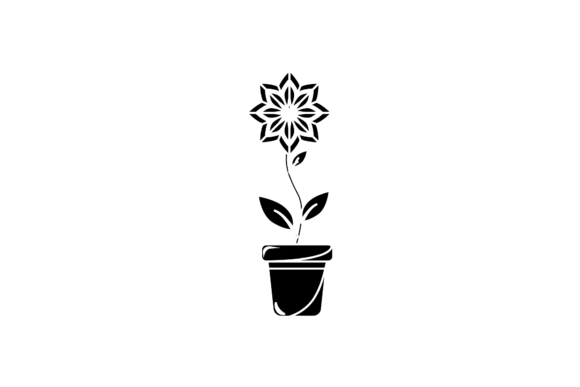
Let's talk about color. One of the strengths of this design is its adaptability to different thread colors. Whether you choose a monochromatic scheme for a modern, minimalist look or a vibrant palette for a spring-themed nursery decor item, the structure holds up. However, contrast is key. On dark fabric backgrounds, the lighter petal outlines might get lost if the thread count is too low. I recommend testing the design in black and white mockups first to ensure the negative space works as intended. If you are planning a commercial embroidery project for a corporate client, the clean lines of this design offer a level of professionalism that aligns well with brand consistency. It avoids the chaotic feel of overly complex designs while still offering enough detail to feel custom-made.
There are specific limitations to keep in mind regarding the physical construction of the product. If you are attempting to use this as an embroidered patch for a cap or hat, the curved surface of the headwear can flatten the vertical dimension of the petals. You may need to adjust the satin stitch width to compensate for the curvature. Additionally, for products that need frequent washing, such as kitchen towels or children's clothing, the durability of the stitches is paramount. Ensure that the design files include adequate underlay stitches to secure the threads against friction. If the design lacks sufficient backing, the petals might unravel after a few wash cycles, damaging the reputation of your handmade product.
Before you commit to a full production run, there are essential steps every experienced designer takes. First, always test the design on scrap fabric. This simple step reveals issues with thread tension, fabric stability, and overall aesthetics that aren't visible on a computer screen. Check the small details closely; sometimes, fine lines in the original graphic can become jagged or broken when digitized for embroidery. Verify the hoop size compatibility to ensure the entire design fits within your machine's workspace without cutting off edges. If you are using this for a digital product seller context, confirm the licensing terms explicitly. Just because you own the file doesn't automatically mean you can resell the digital assets or claim ownership of the finished goods in all jurisdictions.
The availability of multiple formats—AI, EPS, SVG, DXF, JPG, and PNG—is a significant advantage for flexibility. The vector files (AI, EPS, SVG) allow for infinite scaling without loss of quality, which is crucial when adapting the design for different garment sizes. The raster files (JPG, PNG) are perfect for quick previews or non-vector based workflows. The canvas size of 1920 px X 1280 px ensures that the resolution is high enough for large format printing or detailed screen displays. However, remember that file format does not guarantee stitch perfection. The transition from a digital graphic to a physical stitch relies heavily on the digitization process. If you are purchasing this as a pre-digitized file, inspect the stitch paths for any unnecessary jumps or trims that could waste time and thread.
In conclusion, Flowers Petal Graphic Design stands out as a reliable choice for creative entrepreneurs and hobbyists alike. It strikes a balance between artistic flair and technical feasibility. Whether you are crafting a personalized gift for a loved one or producing a line of boutique products for your small shop, this design offers a solid foundation. It respects the constraints of the medium while maximizing the visual impact of the final product. By understanding its strengths and respecting its limitations, you can transform this digital asset into a tangible masterpiece that customers will cherish. The journey from a pixelated graphic to a stitched reality is where the magic happens, and with the right approach, Flowers Petal Graphic Design is ready to make that transformation successfully.